

How Can Small Business Accountants in Scotland Help You Grow in 2026?
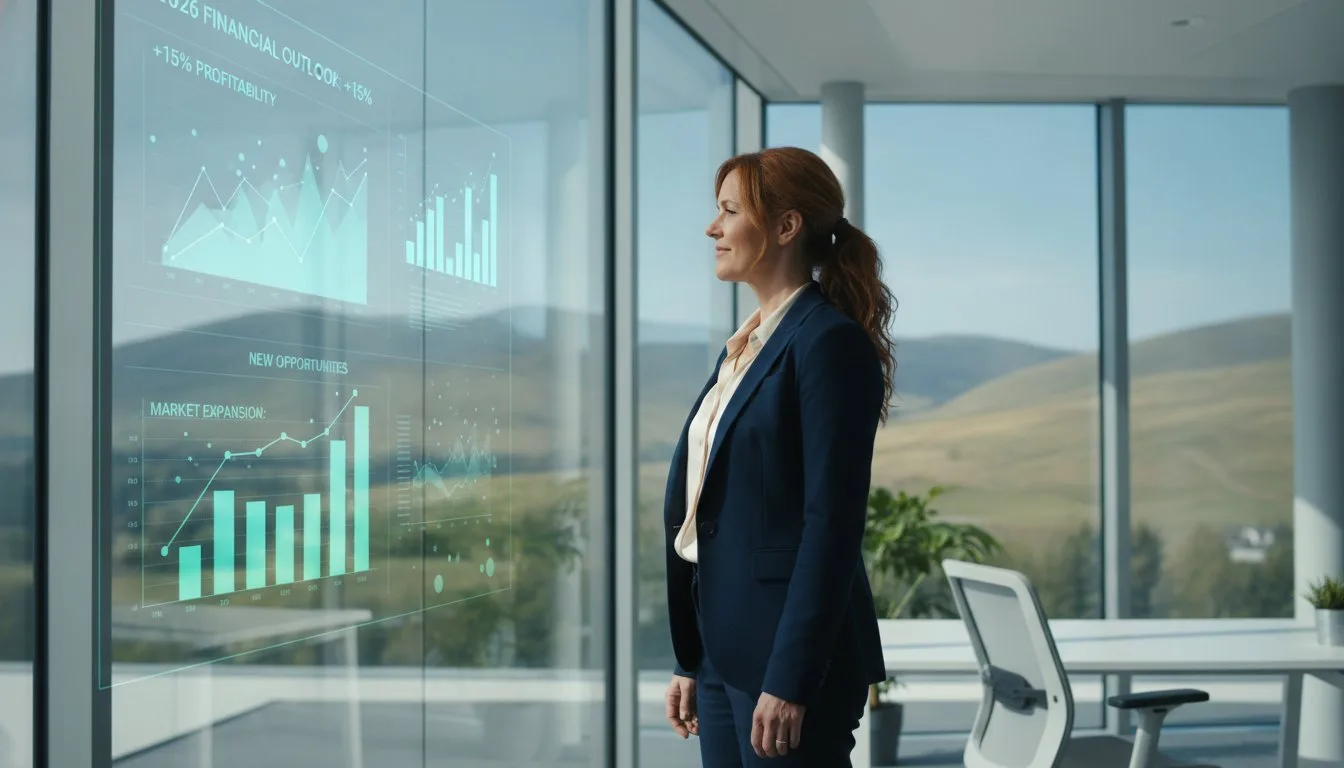
What if the hours you spend untangling 2026’s unique Scottish tax bands were actually the single biggest obstacle to your company’s expansion? Many business owners in Alloa, Stirling, and Falkirk feel a constant sense of anxiety over HMRC penalties and the shifting landscape of local regulations. It’s difficult to focus on strategy when you’re worried about the new 45% Advanced Rate or the latest Making Tax Digital requirements for those earning over £50,000. Partnering with experienced small business accountants in Scotland isn’t just about keeping the books straight; it’s about reclaiming your professional freedom.
You’re likely looking for a way to simplify your finances without losing control. This article explains how a dedicated Scottish accountant can navigate the 2026/27 tax year to maximise your efficiency and automate time-consuming bookkeeping. We’ll look at the specific ways expert delegation provides total compliance peace of mind and frees you to spend more time on the core activities that drive your business forward.
Key Takeaways
- Understand how professional support acts as a growth catalyst by liberating your time, finances, and mental well-being.
- Learn to navigate the 2026 Scottish tax landscape and MTD requirements with the help of specialist small business accountants scotland.
- Discover the two critical steps for comparing firms; this includes verifying Chartered status and assessing industry-specific expertise.
- Identify the essential components of a comprehensive accounting package, from Year End Accounts to proactive tax planning.
- See how local experts in Alloa, Stirling, and Falkirk manage the complete transfer of financial responsibility to restore your professional liberty.
Why Do You Need a Small Business Accountant in Scotland?
Do you ever feel like you are running two separate businesses? One serves your customers and the other manages your paperwork. For many entrepreneurs, the weight of financial compliance in 2026 feels heavier than ever. Choosing the right small business accountants scotland can transform your firm from a struggling entity into a streamlined growth engine. Rather than just checking boxes, a specialist accountant acts as a growth catalyst. They look beyond the receipts to find opportunities for reinvestment and efficiency that you might otherwise miss.
Our approach focuses on the “Thematic Triad.” This is the liberation of your time, your finances, and your mental well-being. By delegating complex tasks to a professional who is a member of the Institute of Chartered Accountants of Scotland, you ensure that your business remains compliant while you regain the freedom to lead. This is particularly vital in Scotland. Regional tax variations and specific local regulations require a nuanced understanding that generic, UK-wide software often lacks.
To better understand how modern software can simplify this process, watch this helpful video:
The Burden of DIY Accounting
Restoring Your Personal Liberty
Delegating your financial management is about more than just convenience. It allows you to return to your original “why.” You didn’t start your company to become a part-time bookkeeper. For Limited Companies, this transition is essential for scaling. It marks the shift from simply “counting numbers” to “making numbers count.” When you aren’t bogged down by the minutiae of payroll or VAT, you have the mental space to think strategically. This clarity is what allows a business to move from surviving to thriving in a competitive Scottish market.
What Are the Key Scottish Tax and Compliance Rules for 2026?
Staying compliant in 2026 requires more than just a general understanding of UK tax. If your business is based in Alloa, Stirling, or Falkirk, you’re subject to a specific set of Scottish regulations that differ significantly from those in England or Wales. These regional nuances can create confusion and anxiety for business owners who try to manage their own filings. Partnering with small business accountants scotland ensures that you don’t just meet your obligations but also optimise your position within this unique framework.
Navigating Scottish Income Tax
The 2026/27 tax year continues the trend of Scotland maintaining its own distinct income tax bands. While the Personal Allowance remains at £12,570, the rates that follow are unique to Scottish taxpayers. You’ll face a Starter Rate of 19% on income up to £15,397, a Basic Rate of 20% up to £27,491, and an Intermediate Rate of 21% up to £43,662. For an SME director in Scotland, drawing a salary that enters the Higher Rate band at £43,663 results in a 42% tax charge, creating a larger tax burden compared to directors in the rest of the UK who pay 40% at that level. It’s also important to remember that while income tax is devolved, dividend tax rates and the Personal Allowance are still set by the UK government, making the interaction between different income sources complex.
MTD for Income Tax: The 2026 Shift
A major compliance milestone arrives on 6 April 2026. From this date, self-employed individuals and landlords with a total gross income over £50,000 must comply with Making Tax Digital (MTD) for Income Tax Self Assessment. This shift requires you to move away from annual filings in favour of keeping digital records and submitting quarterly updates to HMRC via compatible software. The first of these quarterly updates is due by 7 August 2026. Transitioning to online accounting services early is the most effective way to ensure your systems are ready for this digital mandate. Using cloud software doesn’t just satisfy HMRC; it gives you real-time visibility into your cashflow.
Beyond income tax, you must also consider non-domestic rates for your business premises. You can find detailed information on the Scottish Government’s business rates guidance website, which explains available reliefs like the Small Business Bonus Scheme. Additionally, mandatory filing deadlines remain strict. You must file your annual accounts with Companies House within nine months of your financial year-end. For Corporation Tax, the payment is typically due nine months and one day after the year-end, while the return itself must be submitted within twelve months. Missing these dates leads to automatic penalties that can harm your business’s financial health.
If the 2026 compliance landscape feels overwhelming, you can get in touch with our expert team to discuss how we can take these burdens off your shoulders.
How to Compare Small Business Accountants Across Scotland?
How do you distinguish between a firm that simply logs data and one that truly helps your business grow? Choosing between small business accountants scotland requires a methodical approach. It is not just about finding the lowest fee. It is about finding a partner who understands the specific economic pulse of Central Scotland. You need someone who can take the weight of financial management off your shoulders, allowing you to focus on your long-term goals.
Chartered vs. Unqualified Accountants
Your first step should always be to verify professional credentials. In the UK, anyone can technically call themselves an “accountant,” regardless of their training. However, choosing a firm regulated by the Institute of Chartered Accountants of Scotland (ICAS) ensures a higher standard of expertise and ethical conduct. Chartered status means your advisor has undergone rigorous training and is committed to continuous professional development. This distinction is vital for your security. It ensures you receive proactive advice rather than reactive compliance. You can learn more about this in our guide on Why Your Scottish Business Needs a Chartered Accountant.
The Importance of Local Knowledge
While large, London-based digital accounting giants offer slick apps, they often lack an understanding of the regional variations that affect your bottom line. A firm with a physical presence in Alloa, Stirling, or Falkirk understands the local market and the specific challenges facing businesses in the Forth Valley. Regional anchoring builds stronger business communities. It allows for face-to-face meetings when discussing complex business planning or funding applications. This local insight is a key part of our “Thematic Triad,” as it provides the mental well-being that comes from knowing your advisor is just a short drive away.
When comparing firms, you should also evaluate these critical factors:
- Industry Experience: Does the firm understand the specific VAT rules for your sector or the nuances of Scottish Landlords’ tax?
- A Delegation-First Approach: Look for a firm that aims for a complete transfer of responsibility. They should want to physically remove the burden of bookkeeping from you.
- Software Compatibility: Ensure they are experts in modern tools like Xero to streamline your 2026 MTD requirements.
- Communication Style: Do they explain complex financial matters in plain English, or do they hide behind industry jargon?
The right choice will feel like a solid, reliable partner. They should be someone who is as invested in your growth as you are. By prioritizing a firm that offers both high-level expertise and a supportive, client-centric persona, you set the foundation for a successful and stress-free financial future.

What Should a Comprehensive Small Business Accounting Package Include?
Core Compliance Services
At the very least, your package must ensure you remain on the right side of HMRC and Companies House. For limited companies, the preparation and filing of Year End Accounts is a non-negotiable statutory requirement. These documents provide a snapshot of your financial health and are essential for maintaining your company’s standing. If you employ a team, managing Payroll and pension auto-enrolment can quickly become a logistical headache. A professional service ensures your staff are paid accurately and on time, while you stay compliant with the latest employment tax regulations.
Accurate VAT Returns are also critical, especially with the 2026 MTD requirements. Your accountant should handle the quarterly submissions, ensuring that every input and output tax is accounted for correctly. This level of precision prevents the anxiety associated with potential HMRC audits or late-payment penalties. By delegating these core tasks, you remove the physical burden of paperwork from your daily schedule.
Growth and Advisory Services
The most valuable accounting packages move beyond basic compliance into business advisory. Regular management accounts are a vital tool for real-time decision making. Instead of waiting until the end of the year to see how you’ve performed, these reports allow you to adjust your strategy mid-quarter. This is particularly useful for navigating seasonal economic trends in Central Scotland, such as the summer tourism peak or winter retail shifts. Having access to this data provides the clarity needed to make bold business moves with confidence.
- Proactive Tax Planning: Whether it’s Corporation Tax or Self Assessment, your accountant should look for legal ways to maximise your tax efficiency throughout the year.
- Robust Business Plans: If you’re seeking funding or grants in 2026, you’ll need professionally drafted documents that demonstrate your potential for success.
- Cashflow Forecasting: Predicting your future bank balance helps you plan for equipment purchases or new hires without the stress of financial uncertainty.
- Tax Investigation Protection: This provides an extra layer of peace of mind, covering the costs of professional representation if HMRC ever selects your business for a check.
A comprehensive package turns your financial data into a roadmap for success. If you’re ready to liberate your time and focus on what you do best, view our full range of services and start your growth journey today.
How Does Stewart Accounting Services Support Scottish Business Owners?
How do you find a partner who truly understands the economic pulse of Central Scotland? At Stewart Accounting Services, our commitment is rooted in the local communities we serve. With physical offices in Alloa, Stirling, and Falkirk, we provide a level of regional anchoring that large, impersonal firms cannot match. We don’t just act as your bookkeepers; we serve as your dependable regional experts. As leading small business accountants scotland, we focus on a complete transfer of responsibility. We aim to physically remove the financial burdens from your desk so you can focus entirely on your company’s growth.
Our service is built around the “Thematic Triad” mentioned earlier in this guide. We believe that professional accounting should restore your time, protect your finances, and improve your mental well-being. Whether you’re a contractor in Falkirk or a small business owner in Stirling, our approach is designed to reduce the anxiety associated with complex financial matters. We provide the high-level expertise of Chartered Accountants with the approachable, supportive feel of a local partner.
A Personal Approach to Professional Finance
We believe that clear communication is the foundation of a successful partnership. You won’t find a cold, corporate tone here. Instead, we focus on straightforward, jargon-free advice that helps you make informed decisions. We offer tailored support for various entities, including contractors and limited companies. For Sole Traders, we provide a clear roadmap for growth. This often involves helping you recognize the exact moment when transitioning to a limited company structure becomes the most tax-efficient move for your future.
Getting Started with Stewart Accounting
Making the switch from your old accountant is a much smoother process than most business owners imagine. We handle the heavy lifting of the onboarding process, ensuring a seamless transition of your records and history. Once you’re on board, we prioritize setting up your cloud accounting systems correctly. In 2026, having a robust Xero setup is essential for meeting MTD requirements and maintaining real-time visibility of your cashflow. We provide the training and ongoing support needed to ensure your digital records are accurate and useful for strategic planning.
The first step toward reclaiming your professional liberty is a simple conversation. We invite you to discuss your goals and challenges with a team that is genuinely invested in your success. Contact us today for a free consultation and discover how we can help your business thrive in 2026.
Ready to Reclaim Your Time and Grow Your Business?
As the 2026 tax year approaches, the complexity of unique Scottish tax bands and the shift toward digital record-keeping shouldn’t be a source of stress. We’ve explored how partnering with the right small business accountants scotland can transform your financial management from a heavy burden into a streamlined growth engine. By focusing on the “Thematic Triad” of time, finances, and mental well-being, you can step away from the spreadsheets and back into your role as a leader.
Our team of Chartered Accountants in Alloa, Stirling, and Falkirk is dedicated to providing the complete transfer of responsibility you need to thrive. Whether you require support with Year End Accounts, proactive tax planning, or navigating the latest MTD requirements, we offer the regional expertise and personal touch your business deserves. It’s time to stop worrying about HMRC penalties and start focusing on your company’s potential.
Book Your Free Consultation with Stewart Accounting Services today. Let’s work together to restore your professional liberty and build a more prosperous future for your business in 2026 and beyond.
Frequently Asked Questions
Do I need a local accountant in Scotland or is an online firm better?
A local accountant is often the better choice because they possess a deep understanding of regional variations like Scottish Income Tax and local business rates. While online-only firms offer digital convenience, experts based in Alloa or Stirling provide the added benefit of face-to-face strategy sessions. This regional anchoring ensures your advisor truly understands the specific economic landscape and community trends of Central Scotland.
How much do small business accountants in Scotland typically cost?
The cost of hiring small business accountants scotland varies depending on your company structure and the level of support you need. Most reputable firms offer fixed-price monthly proposals rather than unpredictable hourly rates. This structured approach helps you manage your cashflow while ensuring you receive a comprehensive package that scales as your business grows and your requirements become more complex.
What is the difference between a Chartered Accountant and a standard accountant?
The primary difference lies in professional regulation and the level of training. A Chartered Accountant has completed rigorous examinations and is a member of a professional body like ICAS. Unlike the generic term “accountant,” which anyone can use without qualifications, the “Chartered” title guarantees a high foundation of competence and ethical conduct. This provides you with greater security and more proactive advice.
Can a Scottish accountant help me with HMRC Making Tax Digital (MTD) for 2026?
Yes, a specialist accountant will ensure your firm meets the new digital record-keeping requirements starting in April 2026. They help you implement MTD-compatible software and manage the transition to quarterly submissions for HMRC. This proactive support removes the anxiety of last-minute filings and ensures your systems are fully prepared for the first quarterly update due in August 2026.
Will a small business accountant also handle my personal Self Assessment?
Most comprehensive accounting packages include the preparation and filing of your personal Self Assessment tax return alongside your business accounts. This holistic approach ensures your personal and professional tax planning are perfectly aligned for maximum efficiency. It removes the physical burden of managing multiple deadlines and provides total peace of mind regarding your overall tax position and personal financial goals.
How often should I meet with my accountant to discuss my business growth?
You should ideally meet with your advisor at least once a quarter to review your management accounts and long-term strategy. While annual meetings are sufficient for basic compliance, regular check-ins allow for real-time decision making. These sessions are vital for identifying growth opportunities and navigating seasonal economic shifts within the Scottish market before they impact your bank balance.
What information do I need to provide for my Year End accounts?
You typically need to provide records of all sales invoices, purchase receipts, bank statements, and payroll data for the financial year. If you utilize cloud accounting software, most of this information is already accessible to your advisor in real-time. Providing these records promptly allows your accountant to prepare your filings accurately and identify potential tax-saving opportunities well before the deadline.
Can an accountant in Alloa or Stirling help me if my business is based in Edinburgh?
Yes, local firms in Central Scotland are perfectly positioned to serve businesses in Edinburgh and throughout the country. Modern cloud technology allows for seamless remote collaboration and data sharing regardless of your physical location. You still benefit from the specialized regional knowledge of small business accountants scotland while retaining the option for face-to-face meetings when discussing complex business planning.
Recent Posts
21 Aug, 2026
21 Aug, 2026
20 Aug, 2026