

Hmrc Corporation Tax Payment Plan Guide

Hmrc Corporation Tax Payment Plan Guide
Managing corporation tax obligations can be challenging for businesses, especially during periods of cash flow difficulty. HMRC offers various payment options that can help companies meet their tax responsibilities without causing undue financial strain. Stewart Accounting works with businesses across Central Scotland and beyond to navigate these arrangements and maintain good standing with HMRC.
What is an HMRC Corporation Tax Payment Plan?
An HMRC corporation tax payment plan is a formal arrangement that allows businesses to spread their corporation tax payments over a period of time rather than paying the full amount in one lump sum. These plans are designed to help companies that are experiencing temporary financial difficulties but remain viable businesses capable of meeting their tax obligations over time.
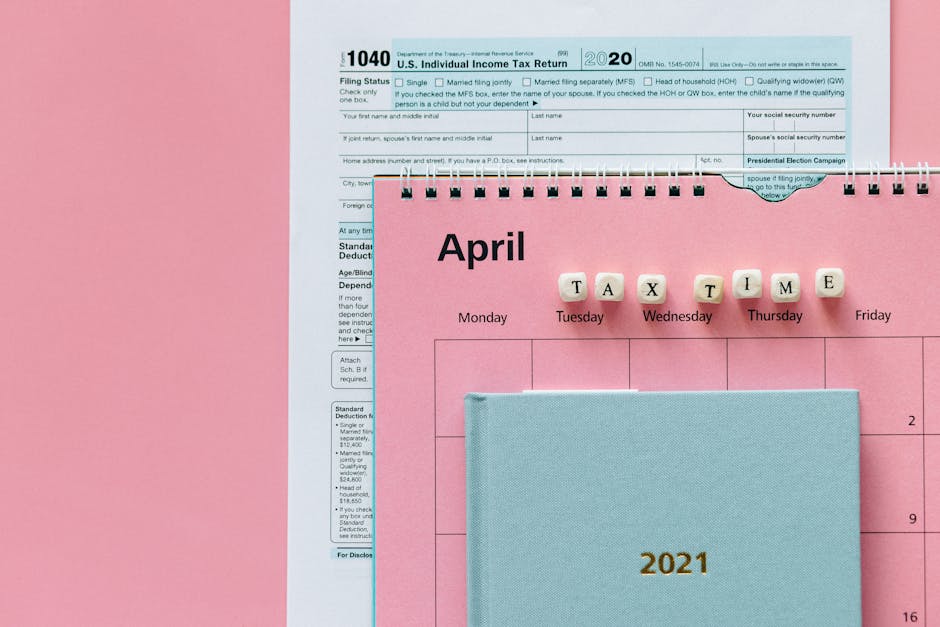
HMRC refers to these arrangements as “Time to Pay” arrangements. They provide a structured way for businesses to clear their tax debts while continuing to operate. The plans are not automatic and require approval from HMRC based on your specific circumstances and financial position.
Payment plans can cover various types of business taxes, including corporation tax, PAYE, VAT, and other tax liabilities. The key requirement is demonstrating to HMRC that you’re committed to paying what you owe and that your business has a realistic prospect of meeting the agreed payment schedule.
How Do I Apply for a Corporation Tax Payment Plan?
The application process depends on the amount you owe and your circumstances. For smaller amounts (typically under £30,000), you may be able to set up a payment plan online through your HMRC business tax account or by calling the HMRC Payment Support Service on 0300 200 3835.

For larger amounts or more complex situations, you’ll need to contact HMRC directly and may need to provide detailed financial information about your business. This typically includes:
- Recent management accounts or financial statements
- Cash flow forecasts showing how you’ll meet the agreed payments
- Details of your business income and expenditure
- Information about other creditors and debts
- An explanation of why you cannot pay the full amount immediately
Having a qualified accountant prepare and present this information can significantly improve your chances of approval. Stewart Accounting regularly assists businesses throughout Alloa, Stirling, Falkirk, and beyond in preparing compelling applications that demonstrate financial viability and commitment to clearing tax debts.
What Are the Eligibility Requirements for a Time to Pay Arrangement?
HMRC considers several factors when deciding whether to approve a payment plan. While each case is assessed individually, common eligibility criteria include:

Temporary financial difficulty: You need to demonstrate that your inability to pay is due to temporary circumstances rather than fundamental business failure. This might include unexpected expenses, delayed customer payments, or seasonal cash flow fluctuations.
Viable business: HMRC needs confidence that your business will continue operating and generating sufficient income to meet the payment plan commitments alongside ongoing tax obligations.
Current with future taxes: You must keep up with new tax liabilities that arise after the payment plan begins. Falling behind on current obligations while repaying past debts will typically result in the arrangement being cancelled.
Honesty and cooperation: Providing accurate financial information and maintaining open communication with HMRC is essential. Any attempt to mislead or withhold information can result in immediate rejection or cancellation of the arrangement.
Businesses that have repeatedly defaulted on previous payment arrangements or that show signs of phoenixing (deliberately closing and restarting to avoid debts) will face much stricter scrutiny and may be declined.
How Long Can I Spread Corporation Tax Payments?
The duration of a payment plan varies depending on your circumstances and the amount owed. HMRC typically prefers arrangements to be completed within 12 months, but longer periods may be agreed for larger debts or where your cash flow genuinely cannot support faster repayment.
For smaller debts under a few thousand pounds, HMRC may expect repayment within 3-6 months. Mid-range debts of £10,000-£50,000 might be spread over 6-12 months. Larger debts may potentially be extended to 24 months or occasionally longer, though this requires strong justification and detailed financial forecasting.
The key consideration is demonstrating that the proposed payment schedule is realistic based on your business’s actual cash flow. Proposing overly optimistic payments that you cannot maintain will only create further problems down the line.
Interest and potentially penalties will continue to accrue on the outstanding balance during the payment plan period, so there’s a financial incentive to clear the debt as quickly as your cash flow realistically allows.
What Happens If I Miss a Payment on My Plan?
Missing a payment on an agreed Time to Pay arrangement is a serious matter that can have significant consequences. HMRC views the payment plan as a privilege granted to help your business, and failing to maintain it suggests the arrangement isn’t working.
If you miss a single payment, HMRC will typically contact you to understand what happened. If it’s a genuine one-off error or temporary issue, they may allow you to catch up the following month. However, repeated missed payments will almost certainly result in the arrangement being cancelled.
Once a payment plan is cancelled, HMRC can take immediate enforcement action to recover the full outstanding debt. This may include:
- Sending debt collectors to your business premises
- Applying to court for a winding-up petition against your company
- Pursuing directors personally in certain circumstances
- Taking control of business assets
If you anticipate difficulty making a scheduled payment, contact HMRC immediately rather than simply missing it. Proactive communication demonstrates good faith and may allow for temporary adjustments to the plan. Professional advisors like Stewart Accounting can help negotiate with HMRC on your behalf and present credible solutions to cash flow challenges.
Can I Get Professional Help Setting Up a Payment Plan?
Absolutely, and in many cases, professional assistance significantly improves both the likelihood of approval and the terms of the arrangement. Chartered accountants understand what information HMRC requires and how to present your financial situation in the most favourable yet accurate light.
Professional advisors can help by:
- Preparing detailed cash flow forecasts that demonstrate repayment capacity
- Identifying the optimal payment schedule that balances affordability with minimizing interest costs
- Communicating with HMRC on your behalf to negotiate terms
- Ensuring all required documentation is complete and professionally presented
- Advising on business changes that might improve your financial position
- Monitoring the arrangement and alerting you to any potential compliance issues
For businesses across Central Scotland and throughout the UK, Stewart Accounting provides expert guidance on HMRC payment arrangements as part of comprehensive tax and accounting services. Having experienced professionals handle these negotiations allows you to focus on running your business while ensuring your tax affairs are managed properly.
The cost of professional assistance is typically modest compared to the potential consequences of having a payment plan application rejected or poorly structured. Many businesses find that accountants can negotiate better terms than they could achieve independently, making the investment worthwhile.
Conclusion
HMRC corporation tax payment plans provide valuable breathing space for businesses experiencing temporary financial difficulty. While they’re not suitable for every situation, Time to Pay arrangements can help viable companies overcome cash flow challenges without facing immediate enforcement action. Success requires honest communication, realistic financial planning, and strict adherence to agreed terms. Whether your business is based in Edinburgh, Glasgow, Dundee, or anywhere across Scotland and the UK, professional accounting support can make the difference between an approved arrangement that works for your business and a rejected application that leads to more serious consequences. If you’re struggling to meet corporation tax obligations, don’t wait until the situation becomes critical—reach out to experienced advisors who can help you explore your options and negotiate the best possible outcome with HMRC.
Recent Posts
06 Oct, 2026
04 Oct, 2026