

Amend Accounts Companies House: Your Complete Guide
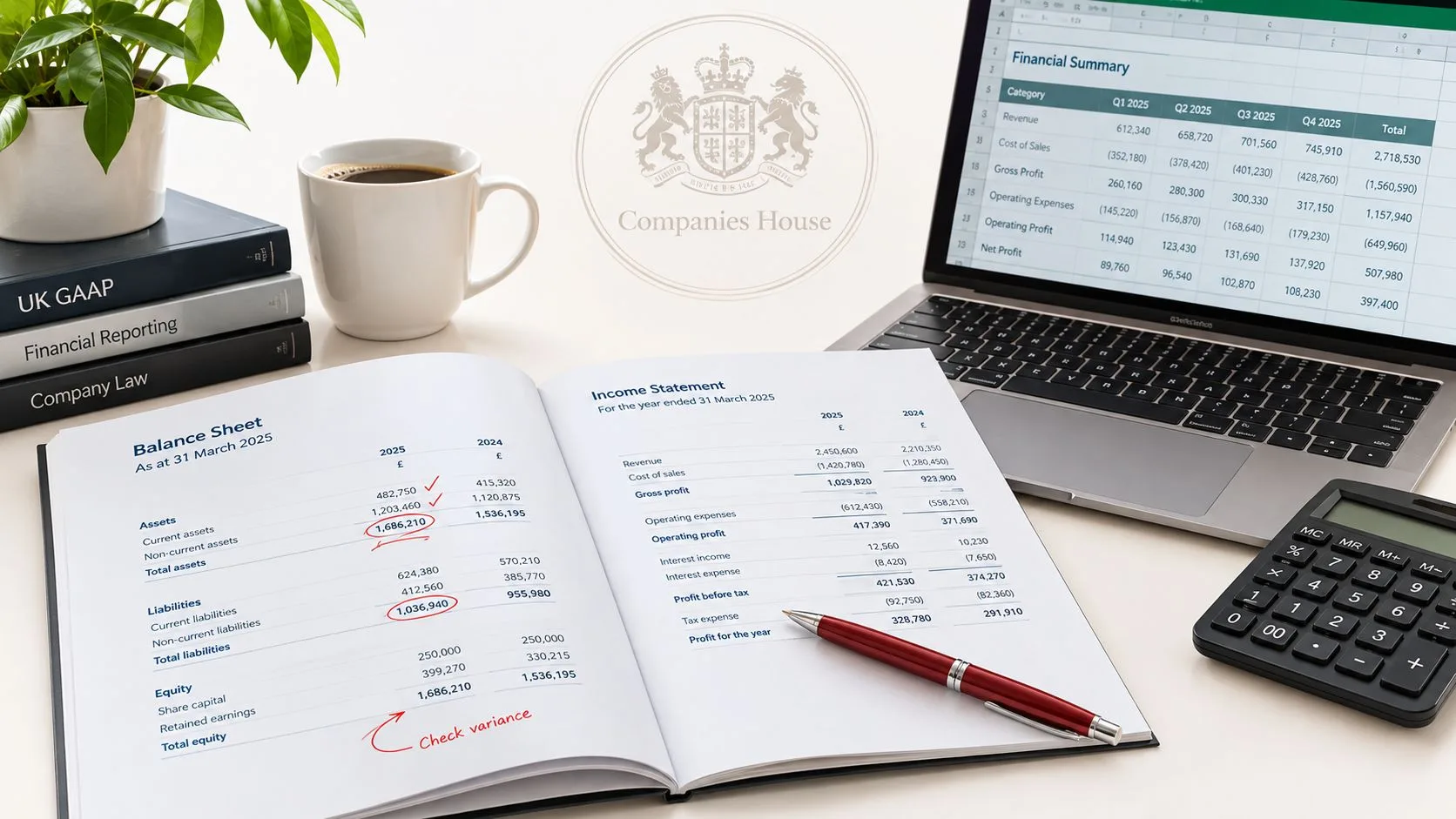
Three weeks after filing, a director notices that £40,000 of fixed assets was classified incorrectly. The accounts were accepted, the filing deadline has passed, and the obvious temptation is to upload a corrected balance sheet and move on. That isn't how Companies House works.
To amend accounts Companies House has already accepted, you must prepare a replacement set of statutory accounts, identify the correction clearly, obtain the required director approval and submit the revised document through an accepted filing route. The original filing remains visible, but the amended version becomes the operative set for that accounting period. A rushed correction can also create a fresh compliance problem if the original accounts were defective and the replacement arrives late.
What Amending Companies House Accounts Actually Means
An amendment is a formal replacement filing, not an online edit to the document already on the register. Under the Companies House rules for corrections and amendments, the replacement accounts must cover the same accounting period as the original accounts, clearly say that they replace the original filing and be marked “amended” on the front page. Companies House guidance on correcting and amending annual accounts sets out those requirements.
The original accounts don't disappear. Companies House keeps the filing history, while the corrected set becomes the legally operative version for that period. That distinction matters when a lender, buyer, supplier or HMRC reviews the public record. Anyone looking at the filing history may see both versions, so the explanatory wording should make the reason for the change understandable without creating unnecessary confusion.
A correction may involve an error of accounting principle, such as treating capital expenditure as an expense, or a more limited issue, such as a missing note or incorrect classification. If only part of the accounts changes, a signed note from a director must explain exactly what has changed and be filed with a copy of the original accounts. A complete replacement still needs to be a coherent, approved set, not a bundle of amended pages.
What an amendment isn't
An amendment isn't the same as changing the accounting reference date. A change to the accounting period follows a separate Companies House process, generally using the relevant accounting reference date filing rather than replacing already filed accounts. Don't try to use an amended accounts submission to repair a period-end mistake.
Only the directors can authorise the revised statutory accounts. The company should record the approval properly, and the corrected accounts should be signed and dated again. HMRC doesn't receive an automatic amendment because Companies House receives one. If the correction changes taxable profit, the corporation tax return may need its own amendment.
For owners who need help with the wider year-end process, limited company annual accounts support can help separate the Companies House filing from the tax work that may follow.
Practical rule: Treat the amended accounts as a new statutory filing with a complete approval and audit trail.
Why Corrections Sit Inside a Tightening UK Filing Regime
A company can submit corrected accounts in good faith and still face a penalty because the original filing deadline has passed. That risk sits within a high-volume filing system. Companies House reported annual accounts filing reached 98.3% by 31 March 2024, compared with 93.2% filed by the accounting deadline in 2021/22, and 98.5% by 31 March 2025. About 75% of roughly 2.2 million accounts expected each year were available as electronically filed data, according to the Companies House annual report.
Those volumes explain the registrar's strict document controls. Companies House must distinguish a replacement statutory record from a duplicate submission. The director's explanatory note, the “Amended Accounts” marking and the complete replacement set provide that audit trail. They also make the filing easier to review if the company, its accountant or HMRC later needs to explain the correction.
Late filing remains the sharper commercial risk. Companies House issued 317,985 late-filing penalties in 2024/25, recorded in the Independent Adjudicators' annual report. Submitting an amendment does not erase a missed deadline or create a fresh filing period.
The penalty exposure
The penalty bands for private companies are commonly presented as follows:
| Filing lateness | Penalty (£) | Notes |
|---|---|---|
| One day late | 150 | The filing is late even if the delay is only one day |
| More than one month and up to three months late | 300 | The charge increases with the length of delay |
| More than six months late | 1,500 | The longest stated band in the supplied guidance |
Check the current Companies House notice for the particular filing, especially as the penalty framework is changing. A defective filing returned by Companies House does not protect the company if the corrected accounts arrive after the original deadline. The Companies House late-filing penalty guidance confirms that position.
Digital reporting is also becoming more structured. Companies House plans to require all UK registered companies to file accounts in iXBRL using commercial software from April 2028. That timetable is forward-looking, so companies should monitor official updates rather than treat it as an already effective filing rule. Building corrections around reliable accounts-production software remains sensible, particularly where the accounts need linked notes, consistent comparatives and a clear revision history.
How to File Amended Accounts Step by Step
Start with the error, not the software. Identify whether the problem concerns depreciation, a debtor write-off, an accrual, a missing disclosure, a director's report or another part of the statutory accounts. The directors should understand the correction and approve the decision to revise the accounts before the replacement is prepared.
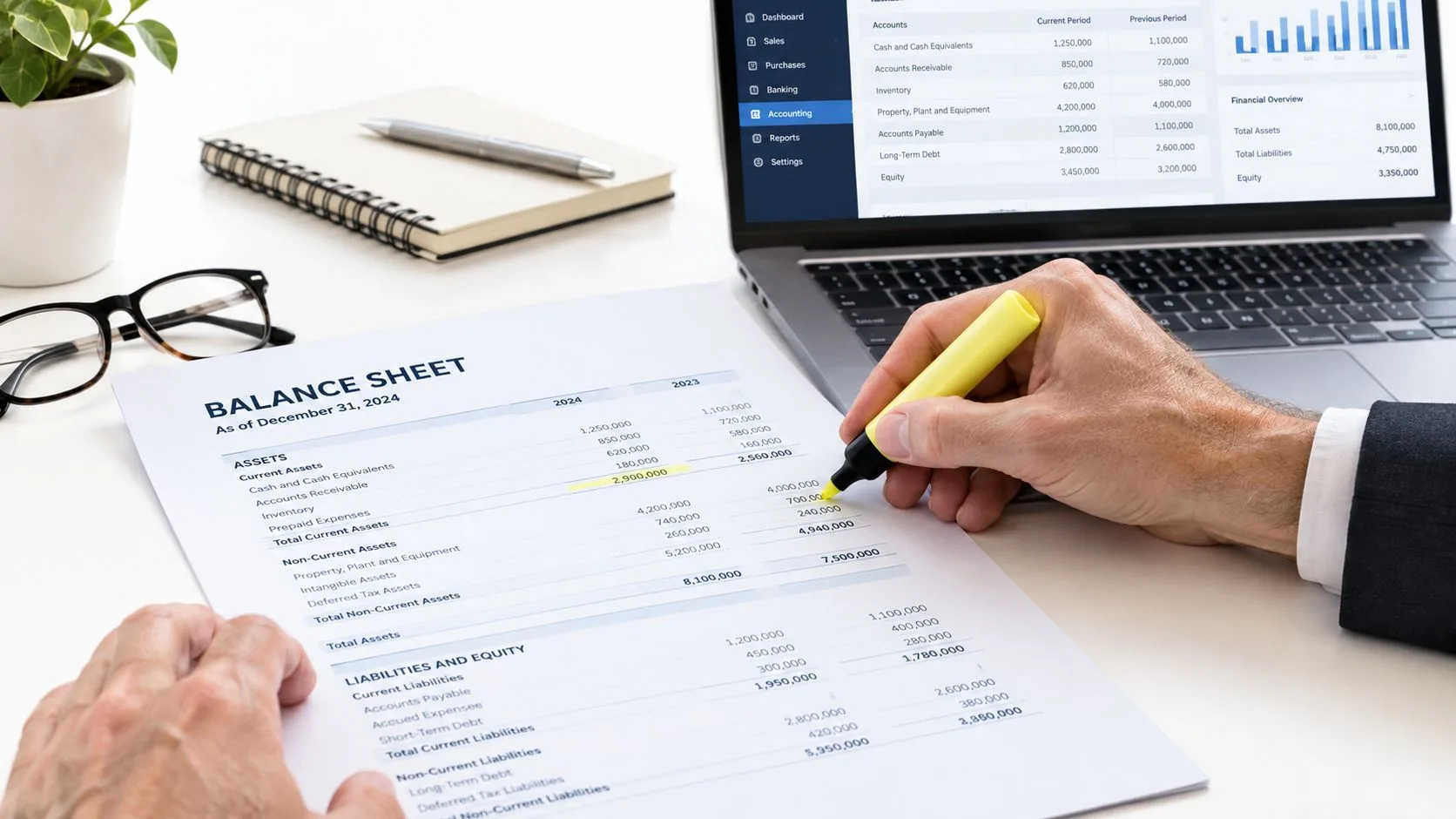
Prepare the replacement set
Recalculate the affected figures. Trace the correction back to the bookkeeping records, working papers, invoices, schedules or board records. Don't amend a single balance without checking the related notes, totals, comparatives and disclosures.
Produce complete accounts. The replacement should contain the full set required for the company, including the relevant prior-year comparatives. Filing only the changed page is not a substitute for corrected statutory accounts.
Record the directors' approval. The directors should approve and sign the revised accounts again. Keep the approval date and supporting resolution with the accounting records.
Mark the document clearly. Put “Amended Accounts” on the front page, following the Companies House requirement. The replacement should also state that it replaces the original accounts and is now the statutory accounts for the relevant period.
Add the explanatory note. Where the change is partial, the signed director's note should describe the exact revision and its financial effect. Include a copy of the original accounts with that note where the Companies House guidance requires it.
Check the filing format. Use paper where that route is permitted, or submit through WebFiling or accounts-production software that supports corrected accounts. If software is used, review the iXBRL tagging and validation output before submission.
Submit and retain evidence. Keep the submitted file, acceptance message, signed accounts, explanatory note, original version and working papers. The Companies Act record-keeping requirement means the company should retain accounting records for the required period, and the filing evidence should be easy to retrieve.
A practical guide to submitting accounts to Companies House can help directors understand the mechanics before they press submit. The important distinction is that Companies House receives a replacement filing, while the company retains the evidence showing how and why the replacement was approved.
Amendment Routes by Company Type and Software
The correct route depends on the entity and the accounts being filed. A standard private limited company may have more than one available submission method, while a Community Interest Company can face a paper requirement for its accounts. Dormant status also changes the accounts preparation, but it doesn't remove the need to correct an inaccurate document already filed.
| Company type | Current filing method | iXBRL required | 2028 software mandate impact |
|---|---|---|---|
| Standard private limited company | WebFiling, paper or compatible commercial software, subject to the accounts type | Depends on the route and software used | The supplied Companies House information states that commercial software will be required from April 2028 |
| CIC | Paper filing remains required for CIC accounts under the supplied guidance | Not a substitute where paper filing is mandatory | The entity-specific route must still be checked before preparing the amendment |
| Dormant company | Dormant accounts route, using the permitted filing method | Depends on the selected route | Software capability will become more important under the stated future requirement |
| Large company | Commercial accounts software or another permitted route appropriate to the accounts | Software may be required by the chosen filing method | The future mandate makes software-supported corrected filings the expected route |
Choosing a workable route
Paper filing can be useful where the company or accounts type isn't supported by online software. It gives the director direct control over the signed document, but it also creates more opportunities for printing, signing, posting and tracking errors. Software is usually more efficient for a full replacement set, particularly where the correction affects linked figures and notes.
The trade-off is compatibility. Not every accounts package supports amended accounts in the same way, and a normal resubmission may be processed as a duplicate or rejected if the document isn't clearly marked. Before preparing the final file, confirm that the software can create corrected accounts for the company's type and preserve the original audit trail.
CIC accounts need particular care because their community interest reporting obligations sit alongside the accounts filing. A dormant company also needs a genuine review of its status for the period. Don't assume that because a company is dormant now, an earlier incorrect filing can be replaced without checking the underlying period and exemption.
Penalties, HMRC and the Cost of Getting It Wrong
A company can correct a genuine accounting error and still receive a late-filing penalty. This happens where Companies House rejects the original accounts for a defect, such as an unsigned balance sheet, and the corrected accounts arrive after the original filing deadline. The replacement filing does not create a new statutory deadline.
The Companies House late-filing penalty notice explains this treatment. The wider enforcement picture matters too. Companies House issued 317,985 late-filing penalties in 2024/25, and the planned 2028 iXBRL mandate will make software-supported filings increasingly important. Correcting a defect quickly reduces risk, but it does not erase the original deadline.
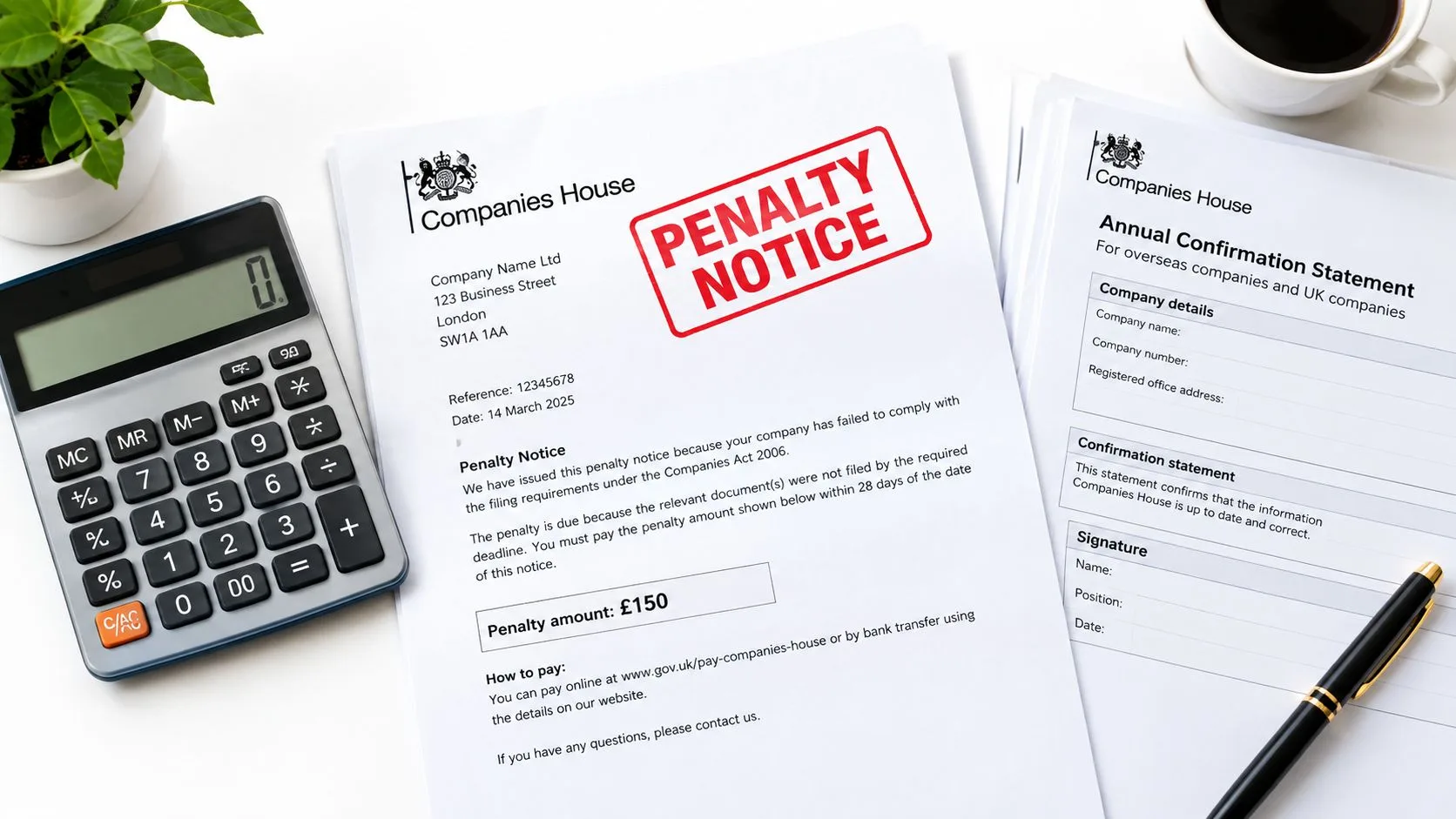
If a penalty has already been issued, the Companies House late-filing penalty appeal process sets out the available options. An appeal needs evidence, and correcting the accounts alone does not cancel the charge.
Companies House and HMRC are separate jobs
An amended Companies House filing corrects the public statutory record. It does not amend the corporation tax return. If the accounting correction changes taxable profit, review whether a revised CT600 is required. HMRC allows corporation tax returns to be amended within 12 months of the end of the accounting period. Check whether a revised return and any repayment or additional payment apply.
Keep the Companies House and HMRC workstreams aligned:
- Statutory accounts: Prepare and file the complete replacement set with the required amended wording.
- Corporation tax: Recalculate taxable profit and consider a separate CT600 amendment.
- Tax payments: Check whether the correction changes the corporation tax liability or payment position.
- Records: Retain the original accounts, revised accounts, approvals and calculations.
- Penalty response: Deal with any Companies House penalty separately, including an appeal where the facts support one.
An accounts amendment can also expose wider filing weaknesses. Directors should retain correspondence and show that the error was investigated, corrected and filed promptly.
Persistent defaults may raise director conduct concerns. Section 453 of the Companies Act 2006 provides the framework for director disqualification in connection with persistent defaults, although an isolated accounting correction is not automatically disqualifying. Risk increases where directors repeatedly miss deadlines, file defective documents or ignore Companies House correspondence.
A Worked Example of an Amended Filing
A private company discovers that its balance sheet shows fixed assets at £45,000 too high after the filing deadline has passed. The correction doesn't involve changing the accounting period, so the directors approve a replacement set for the same period and ask the accountant to update the accounts, notes and supporting schedules.
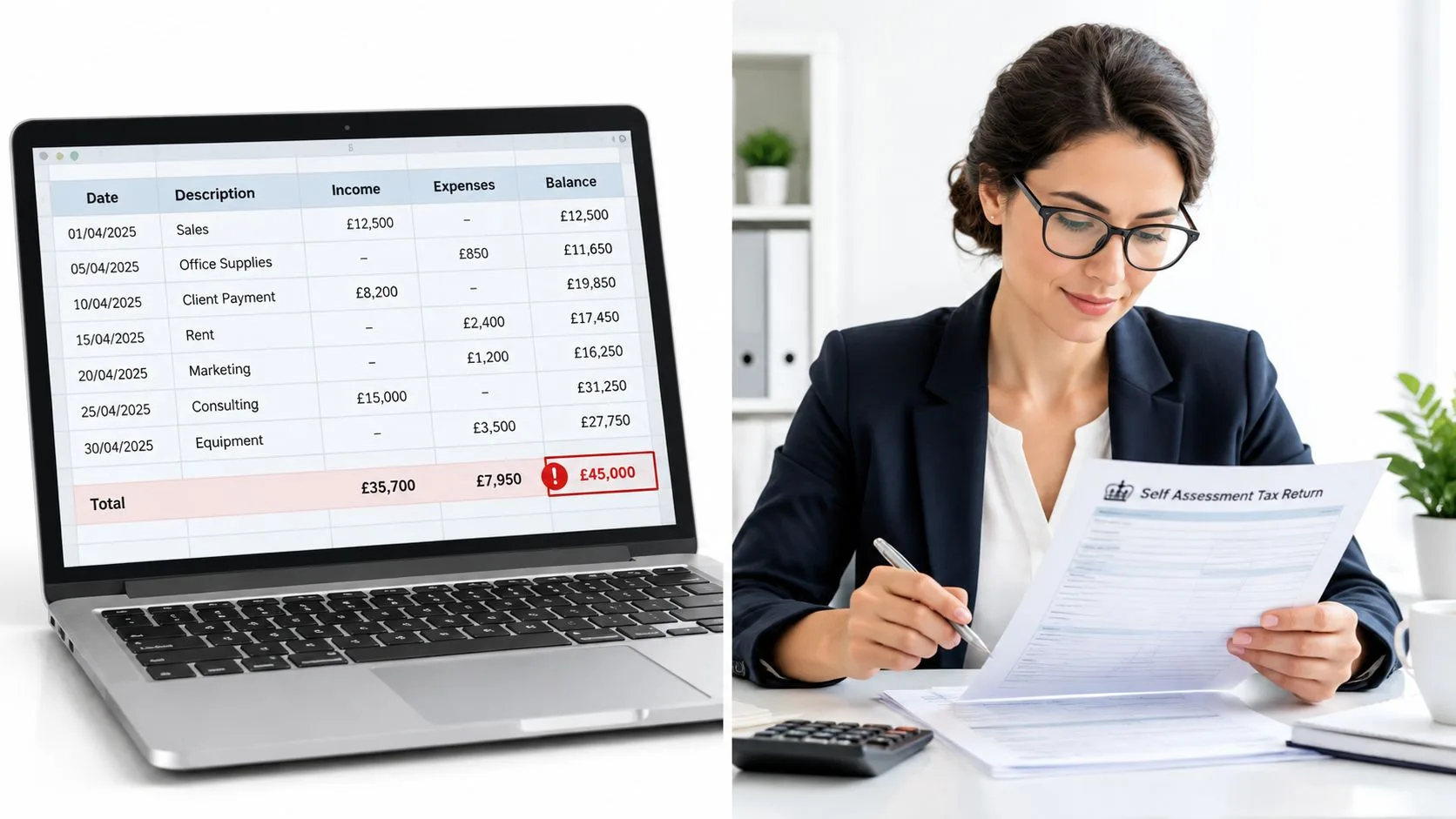
The balance sheet reconciliation might be presented in a working paper like this:
| Item | Original filed figure | Corrected figure | Movement |
|---|---|---|---|
| Fixed assets | £245,000 | £200,000 | £45,000 decrease |
| Retained profits, where applicable | £110,000 | £65,000 | £45,000 decrease |
The table is an internal reconciliation, not a replacement for the statutory accounts. The accountant must check whether the error affects depreciation, profit and loss, corporation tax, deferred tax, directors' disclosures or the notes accompanying the balance sheet.
Suggested wording for the filing
The front page should identify the document clearly, for example:
AMENDED ACCOUNTS
These accounts replace the original accounts for the accounting period ended [date] and are now the company's statutory accounts.
The director's signed note can then identify the correction without obscuring the rest of the filing:
The amended accounts correct the fixed asset balance previously reported as £245,000. The correct fixed asset balance is £200,000. The corresponding £45,000 adjustment has been reflected in the relevant accounts and disclosures. The directors approved these amended accounts on [date].
That wording is a starting point, not a universal template. The note should reflect the correction and its financial effect. If the change affects only part of the accounts, attach the original accounts as required by the Companies House process.
For software-filed accounts, the revised £200,000 value must be tagged to the appropriate iXBRL concept used for the fixed asset line. Don't assume that changing the visible number is enough. Review the tagging, validation messages and generated accounts before submission.
If the error also changed taxable profit, the company must consider a separate HMRC corporation tax amendment within the applicable period. Companies House and HMRC are reviewing different records, even when both use the same underlying accounts.
Pre-Filing Checklist and Common Amendment Questions
Before resubmitting, run the file as though another accountant will need to understand it without asking questions. Confirm that the original accounts were accepted, identify every affected figure and obtain the signed balance sheet and notes from the original filing. Then compare the revised set line by line with the original.
Use this final review:
- Confirm the period: The replacement covers the same accounting period as the original filing.
- Identify the correction: State whether the change is a restatement, classification correction, omitted disclosure or another error.
- Rebuild the full set: Include the required statements, notes and comparatives, not just changed pages.
- Mark the front page: Use clear amended wording and state that the filing replaces the original accounts.
- Approve again: Obtain the directors' approval, signature and date.
- Prepare the note: Explain the change and financial effect, attaching the original accounts where required.
- Validate the format: Check WebFiling, paper or software eligibility and review iXBRL validation where relevant.
- Review tax: Decide whether the corporation tax return or another submission also needs correction.
- Save the evidence: Keep acceptance messages, signed copies, calculations and correspondence together.
Common questions
Does a defective filing restart the late-filing clock?
No. If Companies House returns accounts for a defect and the corrected accounts are filed after the original deadline, the company can still receive the late-filing penalty. The correction fixes the filing defect, not the missed deadline.
Can amended accounts be filed online?
It depends on the company type, accounts format and filing software. Some corrected accounts can be submitted through supported software or an online route, while particular entities, including CIC accounts under the supplied guidance, may still need paper filing. Check the route before preparing the final document.
What changes from April 2028?
The supplied Companies House information states that all UK registered companies will need to file accounts in iXBRL using commercial software from April 2028. Companies should therefore choose systems that support corrected accounts, preserve the original version and produce a reliable validation trail.
If you're correcting a filing now, don't upload a replacement set until the accounts, director note, format and tax consequences have all been checked. Speak to Stewart Accounting Services or your accountant with the original filing and the proposed correction so the replacement submission and any HMRC amendment can be handled as one organised compliance exercise.
Recent Posts
21 Nov, 2026