

Your Top Accounting Blog Questions Answered

Your Top Accounting Blog Questions Answered
Navigating the world of accounting can feel overwhelming for business owners, especially when you’re trying to manage finances while running your company. Whether you’re a sole trader in Alloa, a contractor in Edinburgh, or a limited company director in Stirling, staying informed about accounting best practices is crucial for your success. This Q&A guide answers the most common questions about accounting blogs and how they can benefit your business in 2026.
What Are Accounting Blogs and Why Should I Read Them?
Accounting blogs are online resources that provide up-to-date information, insights, and practical advice on financial management, taxation, bookkeeping, and regulatory compliance. They serve as valuable educational tools for business owners who want to stay informed about changes in tax legislation, accounting standards, and financial best practices.
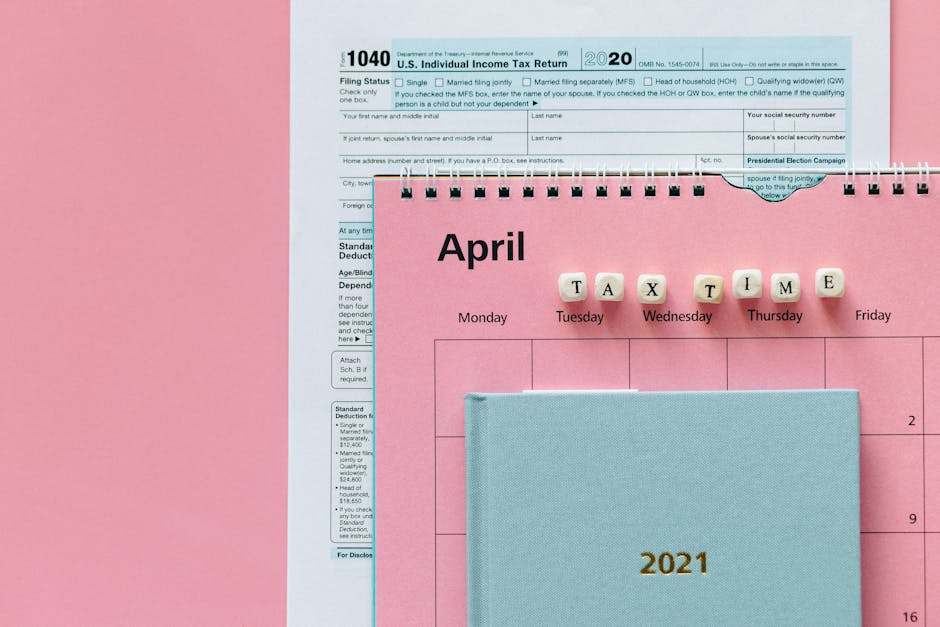
Reading accounting blogs regularly offers several benefits for your business. You’ll stay current with legislative changes that could impact your financial obligations, learn time-saving strategies for managing your bookkeeping, and discover opportunities to optimize your tax position. Many accounting blogs also provide practical tips for improving cash flow management, which is essential for small and medium-sized businesses across Scotland and the wider UK.
For busy entrepreneurs, accounting blogs distill complex financial concepts into digestible articles that you can read during your lunch break or commute. They help you make more informed decisions about your business finances without needing to become an accounting expert yourself.
What Topics Do Quality Accounting Blogs Cover?
The best accounting blogs cover a comprehensive range of topics relevant to modern business owners. Tax updates are among the most critical subjects, including changes to corporation tax rates, VAT thresholds, income tax bands, and allowable expenses. These updates are particularly important as legislation frequently evolves, and staying compliant is non-negotiable.

Quality accounting blogs also explore bookkeeping efficiency, offering guidance on cloud-based accounting software, automation tools, and digital record-keeping requirements under Making Tax Digital regulations. Payroll management is another essential topic, covering everything from pension auto-enrollment to employment allowances and IR35 rules for contractors.
Business growth strategies feature prominently in comprehensive accounting blogs, including advice on financial planning, budgeting, forecasting, and securing business funding. Year-end planning, quarterly tax deadlines, and sector-specific financial guidance also provide valuable insights for businesses in different industries. For property landlords, specialized content about rental income reporting, allowable expenses, and capital gains tax proves particularly useful.
How Can Accounting Blogs Help My Business Save Money?
Accounting blogs can directly contribute to your bottom line by highlighting tax-saving opportunities you might otherwise miss. Articles about research and development tax credits, capital allowances, and annual investment allowances can reveal valuable relief schemes worth thousands of pounds to qualifying businesses.

By staying informed about legitimate expense deductions, you ensure you’re claiming everything you’re entitled to while maintaining proper documentation. Blogs that explain the differences between tax structures—such as operating as a sole trader versus a limited company—can help you choose the most tax-efficient business structure for your circumstances.
Many accounting blogs also share strategies for improving cash flow management, reducing late payment issues, and optimizing your invoicing processes. These practical tips can help you avoid cash flow crises that might otherwise require expensive emergency borrowing. Additionally, understanding penalty deadlines through blog reminders helps you avoid costly fines for late tax returns or missed VAT submissions.
The time you save by implementing efficient accounting processes suggested in blogs translates directly into money saved. When you streamline your bookkeeping using recommended tools and techniques, you spend less on accounting fees and free up valuable time to focus on revenue-generating activities.
What Makes an Accounting Blog Trustworthy and Reliable?
Trustworthiness is paramount when following accounting advice online. Reliable accounting blogs are typically authored by qualified professionals such as chartered accountants, certified accountants, or tax specialists with recognized credentials. Look for authors who display their professional qualifications and memberships in organizations like ICAS (Institute of Chartered Accountants of Scotland) or ACCA.
Credible blogs cite official sources when discussing tax legislation or regulatory changes, referencing HMRC guidance, government publications, or professional accounting bodies. They clearly distinguish between general information and specific advice, often including disclaimers that readers should seek personalized guidance for their unique situations.
The frequency and recency of updates also indicate reliability. Tax laws and accounting standards change regularly, so trustworthy blogs publish fresh content consistently and update older articles when regulations evolve. Blogs that acknowledge the complexity of certain topics and encourage professional consultation demonstrate a responsible approach to financial education.
Be wary of blogs that promise unrealistic tax savings, encourage aggressive avoidance schemes, or provide overly simplistic answers to complex financial questions. The best accounting blogs balance accessibility with accuracy, making information understandable without oversimplifying important nuances.
How Often Should I Read Accounting Blogs for My Business?
The ideal reading frequency depends on your business complexity and how actively involved you are in financial management. For most business owners, checking trusted accounting blogs weekly ensures you stay current with important updates without becoming overwhelmed by information.
During certain periods, more frequent reading proves beneficial. Budget announcements, typically in spring and autumn, often introduce significant tax changes that require immediate attention. The weeks leading up to the tax year-end in April represent another crucial period when year-end planning advice becomes particularly valuable.
If you operate in a rapidly changing sector or your business structure is complex, consider subscribing to email newsletters from reputable accounting blogs. This approach ensures important updates reach you promptly without requiring you to remember to check manually.
For contractors and freelancers managing their own finances, monthly reading helps you stay on top of quarterly tax obligations and self-assessment requirements. Limited company directors might focus their reading around quarterly management accounts preparation and annual year-end planning periods.
Remember that consistency matters more than volume. Regularly reading a few high-quality accounting blogs proves more valuable than sporadically consuming large amounts of information from numerous sources. Establish a routine that fits your schedule, whether that’s reading for 15 minutes every Monday morning or dedicating an hour at month-end to financial education.
Can Accounting Blogs Replace Professional Accounting Services?
While accounting blogs provide valuable information and education, they cannot replace the personalized service of professional accountants. Blogs offer general guidance applicable to broad audiences, but every business has unique circumstances that require tailored advice. Your specific tax position, business structure, industry sector, and financial goals all influence the optimal accounting strategies for your situation.
Professional chartered accountants provide services that blogs cannot replicate, including preparing statutory accounts, ensuring regulatory compliance, representing you in HMRC investigations, and offering strategic financial planning based on your specific business objectives. They also carry professional indemnity insurance, providing protection if advice proves incorrect.
The most effective approach combines both resources. Use accounting blogs to educate yourself about financial topics, understand basic concepts, and identify areas where you might benefit from professional advice. This knowledge helps you ask better questions during meetings with your accountant and make more informed decisions about your business finances.
Think of accounting blogs as complementary to professional services rather than substitutes. They empower you to be a more knowledgeable business owner while your accountant provides the specialized expertise, compliance assurance, and personalized guidance that your business requires to thrive.
Conclusion
Accounting blogs serve as valuable educational resources for business owners throughout Scotland and beyond, offering accessible insights into complex financial topics. By regularly reading quality accounting content, you can stay informed about tax changes, discover money-saving opportunities, and implement efficient financial processes in your business. However, remember that blogs complement rather than replace professional accounting services. Combining self-education through trusted accounting blogs with expert guidance from qualified chartered accountants creates the strongest foundation for your business’s financial success in 2026 and beyond.
Recent Posts
15 Oct, 2026
14 Oct, 2026