
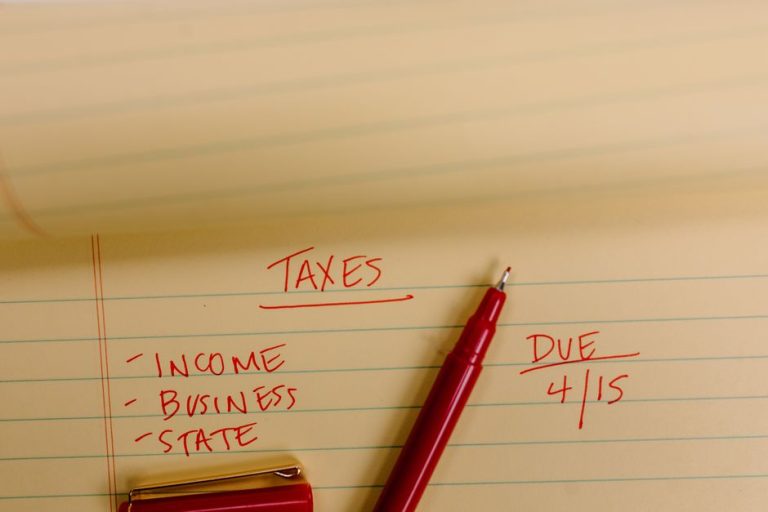
How Long to Keep Business Records in the Uk
Understanding record retention requirements is crucial for UK businesses to maintain compliance with HMRC regulations and avoid potential penalties. Whether you’re a sole trader in Stirling, a limited company in Glasgow, or a contractor working remotely, keeping proper business records for the required duration protects your business and ensures you’re prepared for tax inquiries or audits.
For individuals who might be expecting an HMRC tax refund, maintaining accurate records is equally important to substantiate your claims.
The length of time you must retain business records depends on your business structure, tax obligations, and the type of records involved. This comprehensive guide answers the most common questions about record retention requirements for UK businesses.
How Long Do Limited Companies Need to Keep Records?
Limited companies in the UK must keep business records for a minimum of six years from the end of the last company financial year they relate to. This is a legal requirement under the Companies Act 2006, not just an HMRC tax requirement.

These records must include:
- All invoices and receipts for business expenses
- Sales invoices and documentation
- Bank statements and financial transactions
- VAT records if registered
- Payroll records and employee payment details
- Company accounts and annual returns
- Records of business assets and liabilities
For example, if your company’s financial year ends on 31 March 2026, you must retain those records until at least 31 March 2032. Many businesses in Edinburgh and across Scotland choose to keep records longer to protect against potential disputes or for internal reference purposes.
What Are the Record Retention Requirements for Sole Traders and Partnerships?
Sole traders and partnerships have different requirements than limited companies. You must keep your business records for at least five years after the 31 January submission deadline for the relevant tax year.

For instance, if you’re a sole trader completing your 2025/26 Self Assessment tax return, the submission deadline is 31 January 2027. You must therefore keep those records until at least 31 January 2032.
This five-year rule applies to:
- All business income and expenditure records
- Bank statements related to your business
- Receipts and invoices
- VAT records if you’re VAT registered
- Records of any grants or funding received
Many contractors and freelancers working across Falkirk, Dundee, and surrounding areas benefit from digital record-keeping systems that make long-term storage more manageable than traditional paper filing, perhaps even utilising Best Free Mtd Software for Your Business.
How Long Should VAT-Registered Businesses Keep Their Records?
If your business is registered for VAT, you must keep VAT records for at least six years, although HMRC may allow you to keep them for a shorter period in certain circumstances if you request permission in writing.

VAT records that must be retained include:
- VAT account summaries
- Copies of VAT returns submitted
- VAT invoices issued and received
- Credit and debit notes
- Import and export documentation
- Records of exempt or zero-rated supplies
This requirement applies regardless of your business structure. Whether you’re a property landlord in Perth or a partnership in Livingston, VAT records must be accessible for inspection by HMRC if requested, making the understanding of Exclusive of Vat Meaning Explained crucial for accurate bookkeeping.
What Payroll Records Need to Be Retained and for How Long?
Employers must keep payroll records for at least three years from the end of the tax year they relate to. However, it’s often advisable to keep them for six years to align with other business record requirements and to protect against potential employment disputes.
Essential payroll records include:
- Employees’ names, addresses, and dates of birth
- National Insurance numbers
- Pay rates and payment dates
- PAYE tax deductions
- National Insurance contributions
- Student loan deductions
- Pension contributions
- Benefits and expenses provided
- Records of statutory payments (sick pay, maternity pay, etc.)
Businesses across Cumbernauld, West Lothian, and throughout Scotland should maintain organised payroll systems to ensure compliance with both HMRC and employment law requirements, especially with upcoming changes like the P60 Deadline 2026.
Are There Special Requirements for Specific Types of Business Records?
Yes, certain business records have extended retention periods beyond standard requirements. Understanding these exceptions helps ensure full compliance:
Corporation Tax losses: If your company has claimed losses that it’s carrying forward, you must keep records relating to those losses for six years from the end of the accounting period in which you use the loss.
Capital allowances: Records supporting capital allowance claims should be kept for six years after you’ve disposed of the asset or claimed the final allowance.
Property transactions: Records relating to property purchases should be kept for as long as you own the property plus six years after disposal, as they’re needed to calculate Capital Gains Tax.
Pension scheme records: Workplace pension records should be kept for six years, though some employment-related documentation may need longer retention.
Share transactions: Documentation related to share acquisitions and disposals should be retained indefinitely or until six years after the shares are sold, whichever is later.
What Happens If You Don’t Keep Records for Long Enough?
Failing to maintain proper business records can result in serious consequences. HMRC can impose penalties if you cannot produce required documentation during an inquiry or investigation.
Potential consequences include:
- Penalties of up to £3,000 per tax year for inadequate records
- Difficulty claiming legitimate business expenses
- Challenges defending your position during tax inquiries
- Estimated tax assessments that may be higher than actual liability
- Criminal prosecution in cases of serious or deliberate record-keeping failures
For businesses in Paisley, Dunfermline, and across the UK, implementing robust record-keeping systems from the outset prevents these issues and provides peace of mind.
What’s the Best Way to Store Business Records?
Modern businesses have flexibility in how they store records. HMRC accepts both paper and digital records, provided they’re secure, complete, and accessible when needed.
Digital storage advantages:
- Reduced physical storage requirements
- Easy backup and disaster recovery
- Quick retrieval during tax return preparation
- Reduced risk of physical damage or loss
- Environmental benefits
Cloud-based accounting software has become increasingly popular among small and medium-sized businesses throughout Scotland, offering secure storage with automatic backups and easy access for both business owners and their accountants.
Essential storage considerations:
- Ensure regular backups of digital records
- Maintain security to prevent unauthorised access
- Keep records in formats that remain readable throughout the retention period
- Document your filing system for easy retrieval
- Consider scanning paper records for dual storage
Conclusion
Keeping business records for the appropriate period is a fundamental responsibility for all UK businesses. Limited companies must retain records for six years, while sole traders and partnerships need to keep them for at least five years after the relevant tax return deadline. VAT records require six-year retention, and certain specialised records may need even longer storage.
Implementing systematic record-keeping practices from the start saves time, reduces stress, and ensures you’re always prepared for HMRC inquiries. Whether you operate in Alloa, across Central Scotland, or anywhere in the UK, professional accounting support can help you establish efficient systems that meet all legal requirements while supporting your business growth.
If you’re uncertain about your record retention obligations or need assistance establishing compliant systems, consulting with qualified accountants ensures your business maintains proper documentation while focusing on what you do best—growing your enterprise. Understanding potential Accountant Fees for Small Business in 2026 can help you budget for this essential support.