
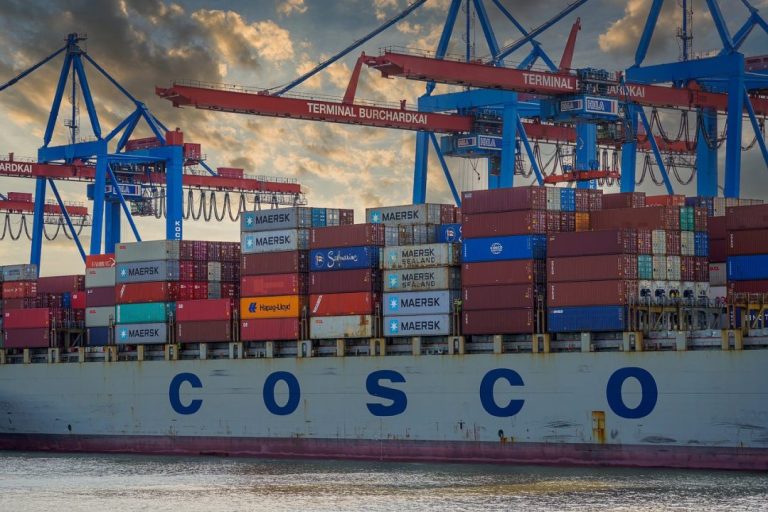
When Brexit officially took hold, many UK businesses were left scratching their heads, wondering how the split from the EU would shake down for everyday operations. Especially when it came to import and export taxes. As chartered accountants working closely with clients in Stirling, Falkirk, and Alloa, we’ve seen first-hand how the changes have impacted businesses big and small. Some firms are still adjusting, while others have found ways to navigate the new terrain more smoothly.
If you’re still figuring out what it all means for your business, you’re certainly not alone.
What’s Changed Since Brexit?
Before Brexit, trading with EU countries was pretty frictionless. Goods moved across borders without customs checks, duties, or much red tape. Now? It’s a whole different story.
UK businesses that trade with the EU are treated the same as “third countries”. In other words, nations outside the EU. That means customs declarations, potential tariffs, VAT implications, and regulatory compliance all got more complicated. It’s not doom and gloom, but being equipped with the right information makes a world of difference.
Let’s dig into some of the essential changes we’ve been helping our clients navigate.
Import Duties and Tariffs: What Businesses Face Now
One of the biggest shifts has been the introduction of customs duties on some goods entering the UK from the EU. But here’s where it gets a little knotty. Thanks to the UK-EU Trade and Cooperation Agreement, most goods originating in the EU can be imported tariff-free. The keyword here is “originating.”
We saw a case last year with a Falkirk-based manufacturer importing machine parts from Germany. Because the parts included components sourced outside the EU, they didn’t meet the rules of origin requirements. Cue surprise tariffs and a rather unpleasant bill.
Key takeaway? Knowing your product’s origin rules isn’t optional. It’s vital.
Exporting to the EU: A New Set of Hoops
Exporting to the EU now involves much more preparation. Businesses must provide a range of documentation, such as:
- Export declarations
- Commercial invoices with detailed information
- Proof of origin
- Safety and security declarations in some cases
We’ve helped a Stirling-based textile exporter set up an end-to-end customs process so they could keep shipments flowing to France without delays. While the setup was a bit time-consuming, it’s paid off in smoother operations and fewer customs hiccups.
There’s also the small matter of VAT. Previously, UK businesses didn’t need to register in multiple EU countries for VAT. Now, depending on the type of goods and destination, VAT registration might be required in the customer’s country. That’s added a layer of complexity for firms selling directly to consumers in the EU.
Northern Ireland: Worth a Special Mention
Let’s not forget our unique situation with Northern Ireland. It continues to follow many EU rules to avoid a hard border with the Republic of Ireland. That means GB businesses sending goods to NI face a different set of rules. Essentially a border in the Irish Sea.
One of our clients in Alloa, a food wholesaler, found this especially tricky. They had to split supply chains due to differing requirements in NI, and we worked with them to build a compliant solution that included authorised trader status and clear record-keeping procedures.
The takeaway? Don’t assume the same rules apply across all UK shipments. NI is, and will likely remain, a special case.
What Does This Mean for Business Planning?
Here’s the honest truth: Brexit isn’t just about customs forms. It’s shifted how businesses think about supply chains, tax planning, and even pricing.
We’ve worked with several businesses to recalibrate supply routes, adjust pricing models to consider duty and customs costs, and shift vendor setups to remain competitive. It’s not a one-size-fits-all solution, but the companies willing to adapt have come out stronger.
A retailer we support in Stirling now sources from Ireland instead of the Netherlands to avoid complications with rules of origin. Is it ideal? Not entirely. But financially, it’s a smarter route under the current setup.
Where Do Accountants Come In?
We know all this red tape can feel overwhelming. That’s where your accountant can become your secret weapon. From making sense of HMRC’s guidance, to ensuring you’re staying compliant and not overpaying, a good accountant is more vital than ever post-Brexit.
If you’re in Stirling, Falkirk, or Alloa, working with a local accountant who understands the regional business landscape makes a difference. We’ve spent countless hours with clients, translating Brexit jargon into actionable strategies that actually save money and hassle.
“Working with our accountant meant we avoided unnecessary tariffs on two key product lines,” says one client in Falkirk. “We wouldn’t have had a clue otherwise.”
Navigating the Next Chapter
The Brexit landscape isn’t frozen. New rules, agreements, and interpretations are still cropping up. Staying agile is the name of the game. Business owners can no longer afford to treat tax compliance and import/export rules as back-burner issues.
Whether you trade with Europe or rely on goods coming from overseas, staying ahead of these changes is crucial. And if you’re not sure where to start, or what applies specifically to you, get advice from someone versed in accounting, customs, and international trade taxation. This isn’t the time to wing it.
If you’re based in Alloa, Falkirk, or Stirling and feel like your business is still finding its Brexit feet, reach out to us. We’ve helped dozens of businesses like yours get to grips with the post-EU rules. Without endlessly drowning in paperwork. It’s what we do best.
Frequently Asked Questions
What is the “rules of origin” requirement and why does it matter?
The “rules of origin” determine the economic nationality of a product. After Brexit, even if you’re buying from the EU, you won’t benefit from zero tariffs unless the product truly originates in an EU country. If not, import duties may apply. Even if it was shipped from within the EU.
Do I need to charge VAT when exporting goods to the EU?
If you are exporting goods business-to-business and can prove the goods are leaving the UK, it’s generally zero-rated for UK VAT. However, the buyer might need to handle local VAT in their country. Business-to-consumer transactions are a different story and may require VAT registration in the EU country.
How can I check if I need to pay duty on imported goods?
The UK Trade Tariff tool on Gov.uk lets you search the commodity codes of goods to see duty rates and requirements. An accountant or customs expert can help you classify goods correctly and ensure you’re not overpaying.
I only sell digital services to EU customers. Do these changes impact me?
Yes, they do. Digital service providers face VAT changes under the EU’s VAT OSS (One-Stop-Shop) scheme. Post-Brexit, UK businesses now need to register in an EU member state to use OSS, or face registering in multiple countries individually.
Can my accountant actually help with customs and trade issues?
Absolutely. An experienced accountant. Especially one familiar with the nuances in regions like Stirling, Falkirk, or Alloa. Can support VAT registration abroad, correct tariff coding, review customs declarations, and advise on tax planning strategies related to trade.
Need tailored help? Drop us a message or pop in for a chat. Let’s figure this out together, one form (and one solution) at a time.