

How to Build a Risk Management Strategy That Keeps Your Business Safe
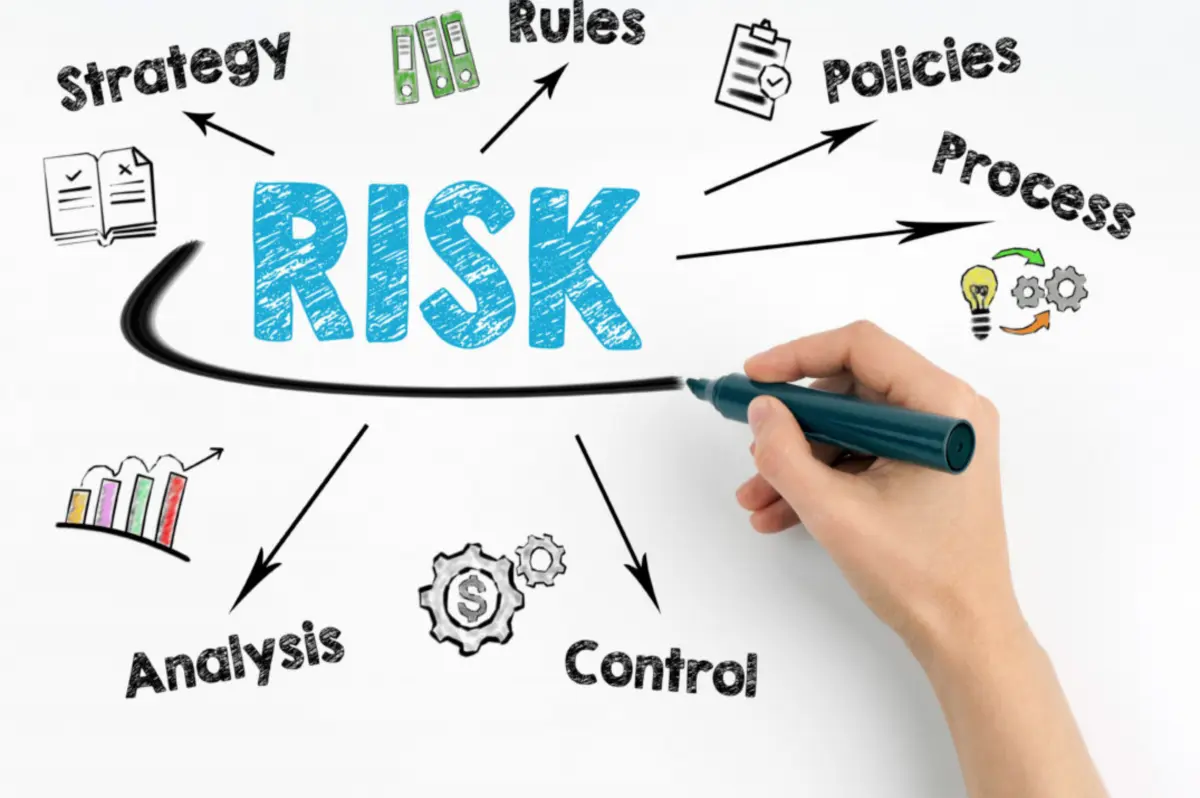
Running a business means dealing with uncertainty every single day. Markets shift, customer needs change, technology evolves, and unexpected challenges appear when you least expect them. While you can’t eliminate risks entirely, you can control how they affect your business. That’s where a strong risk management strategy becomes essential.
A well-designed strategy doesn’t just protect your company from threats—it helps you make smarter decisions, reduces losses, and keeps your business stable no matter what comes your way. Let’s explore how you can build a risk management strategy that truly keeps your business safe.
What Is a Risk Management Strategy?
A risk management strategy is a structured plan that helps you identify, assess, and respond to potential threats before they cause damage. These risks can be:
- Financial
- Operational
- Legal or regulatory
- Strategic
- Cybersecurity-related
- Environmental
Your goal is simple: prevent threats where possible and reduce the impact of those you can’t avoid.
Step 1: Identify Potential Risks
The first step is understanding what could go wrong. You can’t protect your business if you don’t know what you’re protecting it from.
Start by examining all areas of your operations:
- Finances
- Supply chain
- Customer service
- Technology infrastructure
- Human resources
- Legal compliance
A good practice is to hold brainstorming sessions with team members from different departments—everyone sees risks differently, and this gives you a fuller picture. For facilities such as schools, offices, warehouses, or shared commercial spaces, vape detectors can also help identify indoor air quality, safety, and policy compliance risks that may otherwise go unnoticed.
Step 2: Assess and Prioritize the Risks
Not all risks are equally dangerous. Some are minor inconveniences, while others could shut your business down.
Evaluate risks based on:
- Likelihood: How likely is it to happen?
- Impact: How much damage will it cause?
This helps you prioritize the risks that need immediate attention. Many businesses use a simple risk matrix to classify risks into low, medium, or high priority. When you know what matters most, you can allocate resources more efficiently.
Step 3: Develop Risk Mitigation Strategies
Once you’ve identified and ranked the risks, it’s time to determine how to manage them. Common risk responses include:
✔ Avoid the Risk
Stop doing the activity that creates the risk.
Example: Not entering a volatile market.
✔ Reduce the Risk
Take steps to minimize the likelihood or impact.
Example: Training employees on cybersecurity.
✔ Transfer the Risk
Shift responsibility to a third party.
Example: Buying insurance.
✔ Accept the Risk
If the risk is low-impact or unavoidable, you may choose to continue and monitor it.
The right response depends on your business goals, financial capacity, and overall tolerance for risk.
Step 4: Create an Action Plan
A risk management strategy only works when it’s practical. Document each risk, your chosen response, and the steps required to implement it.
Your action plan should include:
- Who is responsible
- Resources needed
- Timeline
- Monitoring and reporting methods
Clear action plans prevent confusion and ensure that everyone knows their role in keeping the business safe.
Step 5: Monitor, Review, and Improve
Risk management is not a one-time job—it’s an ongoing process. As your business grows or the market changes, new risks will appear and old risks may fade.
Regularly review your strategy by:
- Updating your risk list
- Re-evaluating priorities
- Testing prevention methods
- Checking compliance and policy updates
- Holding annual or quarterly risk review meetings
Adapting quickly is the secret to long-term stability.
Why a Strong Risk Management Strategy Matters
A business with a solid risk strategy gains major advantages:
- Fewer financial losses
- Stronger operational control
- Better decision-making
- Improved reputation and trust
- Higher resilience during crises
Simply put, a good strategy doesn’t just protect your business—it strengthens it.
In a world filled with uncertainty, your business needs more than vision and hard work—it needs protection. By identifying potential threats, assessing them wisely, and building a proactive action plan, you create a risk management strategy that keeps your business safe, stable, and ready for growth.
Recent Posts
03 Sep, 2026