
What is the Definition of VAT?
VAT, which stands for Value Added Tax, is a consumption tax that is added to products and services at each stage of production or distribution. It is ultimately paid by the end consumer, but businesses collect and remit it to HM Revenue & Customs (HMRC) on behalf of the government. The tax applies to most goods and services sold in the UK, with some exceptions for items like children’s clothing, most food, and books.

Unlike a sales tax that is only applied at the final point of sale, VAT is charged incrementally throughout the supply chain. Each business in the chain collects VAT on its sales and pays VAT on its purchases, then remits the difference to HMRC. This system creates a clear audit trail and reduces tax evasion, as each transaction is recorded by multiple parties.
For businesses operating in Central Scotland and across the UK, understanding VAT is essential for compliance and financial planning. The current standard rate of VAT in the UK is 20%, though reduced rates of 5% and 0% apply to certain goods and services. Businesses must register for VAT once their taxable turnover exceeds the registration threshold, which is £90,000 as of 2026.
How Does VAT Work for Small and Medium-Sized Businesses?
For small and medium-sized businesses, VAT operates on a system where you charge VAT on your sales (output VAT) and pay VAT on your business purchases (input VAT). The difference between what you collect and what you pay is either remitted to HMRC or reclaimed from them, depending on which amount is greater.
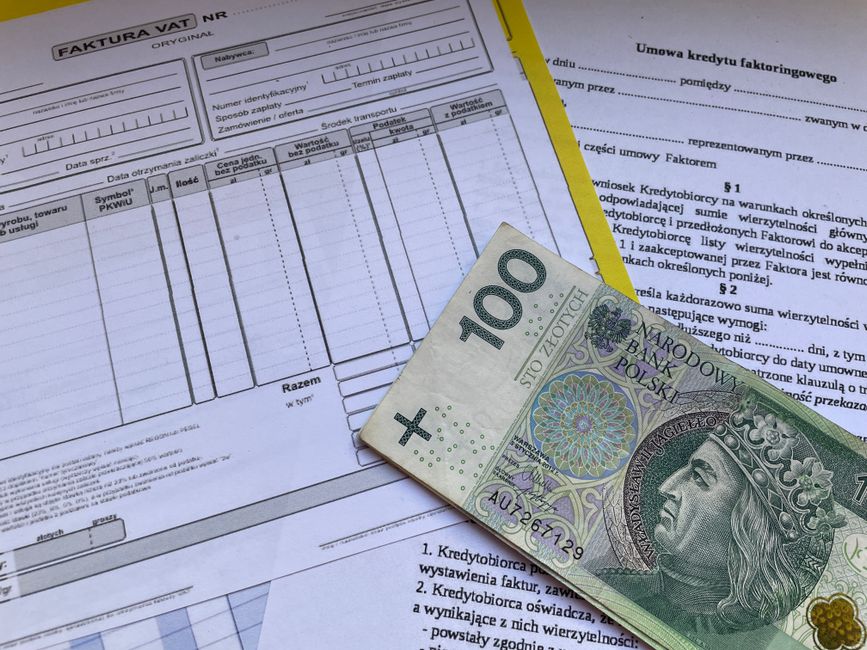
When you register for VAT, you receive a VAT registration number that must appear on all VAT invoices. You then charge VAT on eligible sales and issue proper VAT invoices to your customers. These invoices must include specific information such as your VAT number, the date, a unique invoice number, and a clear breakdown of the VAT charged.
Businesses in Stirling, Alloa, Falkirk, and throughout Scotland typically submit VAT returns quarterly, though some businesses may opt for monthly returns or use special schemes like the Flat Rate Scheme or Cash Accounting Scheme. Each return requires you to report your total sales, purchases, and the net VAT owed or reclaimable for that period.
Many sole traders, partnerships, and limited companies find VAT accounting complex and time-consuming. Working with experienced accountants can help ensure accurate calculations, timely submissions, and full utilization of available VAT reclaims. Missing deadlines or making errors can result in penalties and interest charges from HMRC.
When Must a Business Register for VAT?
Your business must register for VAT if its taxable turnover exceeds the current threshold of £90,000 in any rolling 12-month period. This is mandatory registration, and you must apply within 30 days of reaching this threshold. Failure to register on time can result in significant penalties, backdated VAT charges, and interest on unpaid amounts.

You can also voluntarily register for VAT even if your turnover is below the threshold. This option makes sense for several types of businesses, particularly those that sell primarily to other VAT-registered businesses or those with significant input VAT on purchases. Voluntary registration allows you to reclaim VAT on business expenses, which can improve cash flow and reduce overall costs.
Property landlords operating rental businesses in Edinburgh, Glasgow, or elsewhere should note that residential property rental is typically exempt from VAT, meaning you cannot charge VAT or reclaim input VAT. However, commercial property rental can be different, and landlords can sometimes opt to tax commercial properties, making the rental subject to VAT.
Contractors and businesses providing services across multiple regions need to consider their turnover carefully. If you anticipate exceeding the threshold, it is wise to register in advance and plan for the administrative requirements. Setting up proper bookkeeping systems from the start makes the transition to VAT registration much smoother.
What Are the Different VAT Rates and Schemes?
The UK operates three main VAT rates. The standard rate of 20% applies to most goods and services. A reduced rate of 5% applies to certain items like children’s car seats, home energy, and some renovation work. The zero rate (0%) applies to items such as most food, children’s clothes, books, and newspapers. Despite being charged at 0%, these are still taxable supplies, and businesses can reclaim input VAT on related purchases.
Some supplies are exempt from VAT entirely, including most financial services, insurance, education, and health services. The key difference between zero-rated and exempt supplies is that businesses making exempt supplies cannot reclaim input VAT on their purchases, while businesses making zero-rated supplies can.
Several VAT schemes exist to simplify accounting for smaller businesses. The Flat Rate Scheme allows businesses with turnover below £150,000 to pay a fixed percentage of their gross turnover as VAT, reducing administrative burden. The Cash Accounting Scheme lets businesses account for VAT when they actually receive payment rather than when they issue invoices, improving cash flow management.
The Annual Accounting Scheme permits businesses to make advance VAT payments based on their previous year’s liability and submit just one annual return. This reduces the frequency of returns and can help with financial planning. Businesses in West Lothian, Livingston, Perth, and across Scotland should evaluate which scheme best suits their operations and cash flow patterns.
What Are Common VAT Mistakes Businesses Should Avoid?
One of the most common VAT mistakes is failing to register on time. Many businesses do not monitor their turnover carefully and miss the registration deadline, resulting in penalties and backdated VAT. Setting up systems to track approaching the threshold and seeking professional advice early can prevent this costly error.
Incorrectly categorizing goods or services is another frequent problem. Applying the wrong VAT rate can lead to underpayment or overpayment of VAT. For example, some food items are standard-rated while others are zero-rated, and the distinctions can be subtle. Businesses in Dundee, Paisley, Cumbernauld, and throughout the UK should research the correct treatment for their specific products or services.
Poor record-keeping causes numerous VAT issues. HMRC requires businesses to retain VAT records for at least six years, and incomplete records can lead to denied reclaims or estimated assessments. Implementing robust bookkeeping systems and maintaining digital records of all invoices, receipts, and VAT calculations is essential for compliance.
Many businesses also miss opportunities to reclaim input VAT. You can reclaim VAT on most business purchases, including equipment, supplies, and services, but you must have valid VAT invoices. Understanding what qualifies for reclaim and ensuring you obtain proper documentation can significantly reduce your net VAT liability.
How Can Professional Accounting Help with VAT Compliance?
Professional accounting services provide expertise in VAT regulations, which change periodically and can be complex to interpret. Chartered accountants stay current with legislative updates and can advise on how changes affect your specific business situation. This knowledge helps you remain compliant while optimizing your VAT position.
Expert accountants can identify VAT planning opportunities that businesses often overlook. They can advise on the most beneficial VAT schemes, help you structure transactions to minimize VAT exposure, and ensure you claim all eligible input VAT. For ambitious business owners looking to achieve their financial goals, effective VAT management contributes directly to profitability.
Payroll and bookkeeping services integrated with VAT accounting create a comprehensive financial management system. When your VAT records align with your overall accounting, you gain clearer financial visibility and can make better business decisions. This integrated approach saves time and reduces the stress associated with managing multiple aspects of business taxation.
Professional support is particularly valuable during VAT inspections or when dealing with complex transactions. Having experienced advisors who can communicate effectively with HMRC and provide necessary documentation protects your business interests. For businesses operating remotely across the UK or managing multiple locations, this support ensures consistent compliance regardless of where transactions occur.
Conclusion
VAT is a fundamental aspect of business taxation that affects most commercial activities in the UK. Understanding its definition, mechanisms, and requirements enables businesses to maintain compliance, optimize cash flow, and avoid costly penalties. Whether you operate as a sole trader, partnership, limited company, or contractor in Central Scotland or beyond, proper VAT management is essential for financial success.
The complexities of VAT rates, schemes, registration requirements, and record-keeping can overwhelm busy business owners. Professional accounting support transforms VAT from a compliance burden into a manageable business function. By implementing proper systems and seeking expert guidance, you can focus on growing your business while ensuring your VAT obligations are met accurately and efficiently.